HAIR AND ITS INCREDIBLE UNKOWN HISTORY
by: Jeanne Foltzer
For my first blog post on Edmodo, I wanted to write my article on a original topic, on something that had never been written before on Charlie’s OIB blog. So, as I digged intensively in my head to find suggestions on what to write about, it is at the moment where I was the most desperate because of my lack of imagination, that a brilliant idea came to my mind. Something that can be seen at first completely basic or irrelevant, but that can be under a different angle, a complex and interesting subject to talk about. Something that you are able to touch, feel, carry every day, hate, love, detest, be disgusted about, something very simple, but that makes the person you are unique. Indeed, hair may not be as uninteresting as it may seem. So, now that you know what I am going to discuss in this article, feel free to keep on reading to know everything about the history of hair and its many backgrounds, and what purpose it has and how is it so significant for both women and men. And finally, how it symbolizes the whole history of human society, and is also evident throughout philosophy, religion and various cultures and ethnic groups around the world.


(how hair is seen today; as a physical attribute for the women as we can see in the examples shown above, both taken from ad commercials)
To begin with, different time periods are identified to different hairstyles and usages. For example during the medieval times, we used to steal pieces of hair to produce love potions, because hair was seen as a seductive trait of the body for women and it was what represented her femininity. It was so much seen as something attractive with a sensual connotation that for centuries, women were strongly pressured mainly by the church, to wear a veil or hat in public, to conceal it. Nowadays, the constraint for women to hide their hair is mostly gone. However, it remains in some countries and traditions.
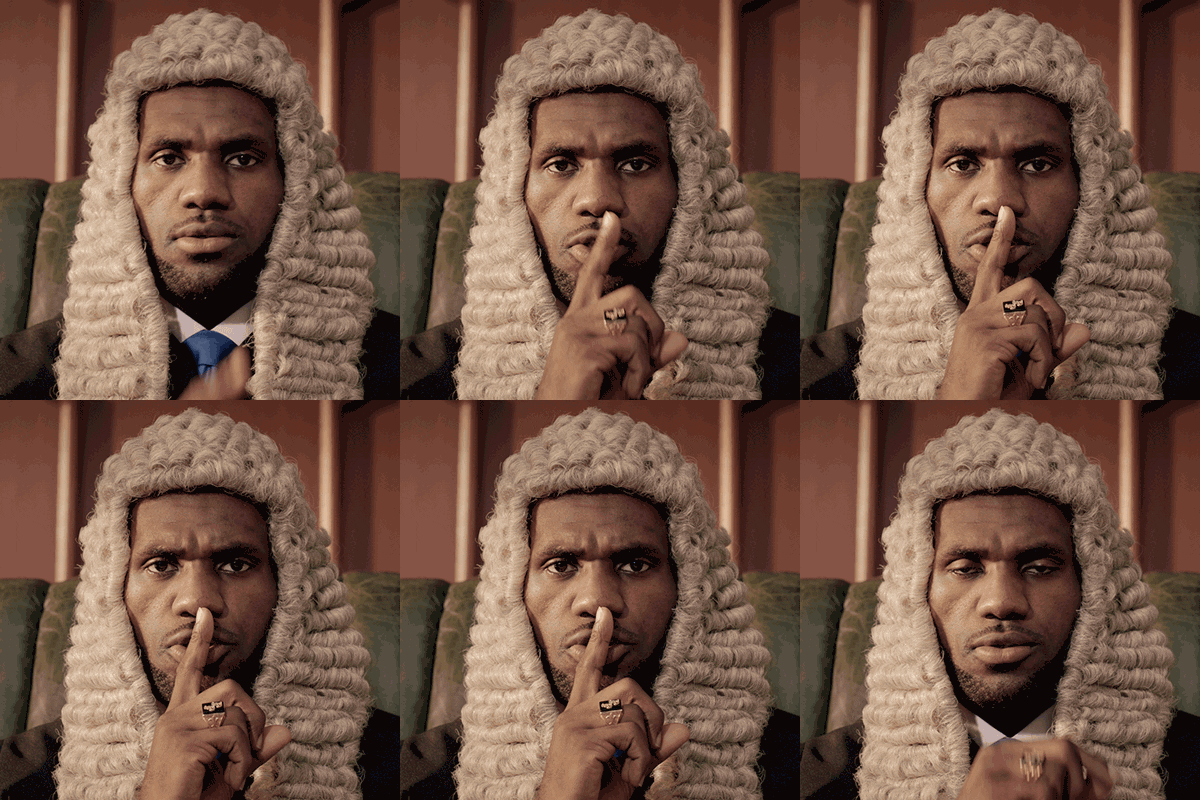
Furthermore, for the men, long hair significated power and virility for a long time in many cultures, especially in France under famous french kings. It is in France that men were mostly seen with long hair especially between the 5th and 9th century, under famous french kings such as Clovis, Charlemagne… Moreover, having long and thick hair was only reserved for men of nobility. Also, under the famous Louis the fourteen, this tradition was renewed, but with wigs, for the same purpose: social distinction. Indeed, the more sophisticated the wigs were, the more they marked wealth and prosperity
(example of noble men wearing wigs under Louis the fourteenth)
Secondly, one of the reason that hair is also so greatly considered, is that it is the only element of our body that does not disintegrates after death, it can last for centuries! In addition, it is what is called ‘rotproof’, hair never rot, it is eternal, which makes it even more fascinating. For example, during the nineteenth century, the hair of the deads were kept as relics, to in a way, conservate a connection with them. Also, many Native Americans tribes let their hair grew very long, to mark their wisdom.
(example of a native American with long hair)
To continue, during the roaring twenties, a shocking hairstyle was adopted by women: they experienced their hair as short as the men. This was a true revendication and rebellious act for the equality of the sexes and against the standard codes of the society. Many famous icons encouraged this daring act, such as famous french designer Coco Chanel, but it will only be in the late sixties that this hairstyle will be back in style.

 |
| (on the left image showing different types of hairstyles adopted by a large number of women in the 1920s, and on the right picture of French designer Coco Chanel )
|
In another part, as hair is so precious and full of meanings, is could also be sacrificed or mistreated. Indeed, prisoners were shaved for hygienic reasons but also in a sign of submission. It is the same case for the people kept in concentration camps during the second world war. All deportees including men, women and children were shaved. This was a profound act of dehumanisation in a murderous process. During the liberation, the exact same act was produced against women that had collaborated with the enemy during the war. They were humiliated and shaved in the street in front of everyone. As vengeance, they see their femininity taken away, they can no longer please. (I will not show any pictures to illustrate my point, as most of them are quite shocking to see…)
Finally, after the fifties, people started having hairstyles that shocked a lot at the time. They were mainly used to pass actual contesting messages or political beliefs. In the sixties, the long hippy haircut is adopted to rebel against traditional and old values. Ten years later, the afro cut symbolizes afro-americans revolts against discrimination. Indeed, they were proudly showing their natural hair in public, without being ashamed of their origins. In addition, another famous look is embraced: the punk hairstyle, mainly used to provoke shock and hurt people minds, as through their haircuts, punks passed actual contesting political messages, they were anti-capitalist, anti-racist, anti-militarists… However, today those hairstyles have mostly lost their political sense.
(exemple of the punk hairstyle ) (example of an afro-cut)


 (example on the left of hippy hairstyles; in the picture we see John Lennon with his spouse; Yoko Ono, emblematic figures of the hippy movement in the 60s)